
Review recent changes
Discuss sensitivity, bleeding gums, dry mouth, jaw discomfort, chewing changes, health history, and medications.
Dental services
Regular evaluations, professional cleanings, and consistent home care help protect your teeth and gums while concerns are still manageable. Your schedule should reflect your oral health.
Understand your options
Tooth decay and gum problems can develop quietly. Preventive visits allow the dentist to look for changes, compare them over time, and explain where your home routine may need more attention.
Prevention is not the same for everyone. Dry mouth, restorations, gum history, diet, medications, and the ability to clean between teeth can all influence risk.
Reasons to talk with a dentist
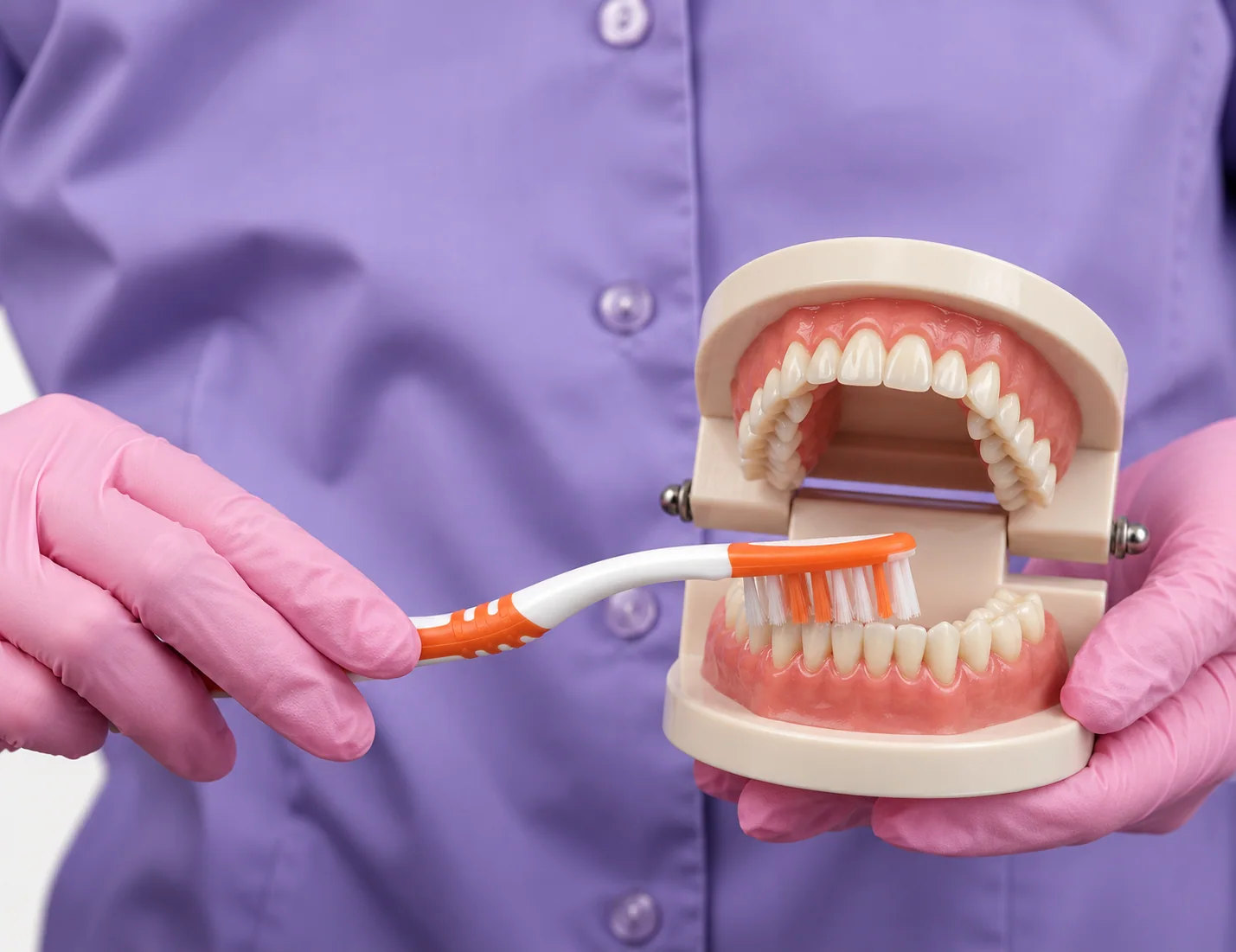
An exam evaluates health and identifies concerns. A cleaning removes deposits that brushing and flossing do not fully remove. Home care then helps control plaque between professional visits.
If an evaluation suggests a condition beyond a routine cleaning, the dentist can explain why a different approach may be recommended.
Your visit
Discuss sensitivity, bleeding gums, dry mouth, jaw discomfort, chewing changes, health history, and medications.
Dr. Krishna looks for decay, damage, gum concerns, and changes around restorations. Images are recommended only when appropriate.
The type of cleaning depends on gum health and the clinical findings.
Ask which spaces need more attention and which brush, floss, or interdental tool may be easiest to use consistently.
After your visit
Brush twice daily with fluoride toothpaste and clean between teeth each day. Clean around crowns, bridges, implants, and removable appliances as directed.
Frequent sugary or acidic snacks and drinks repeatedly expose teeth. Water is a tooth-friendly choice between meals. Tell the dentist about dry mouth or nicotine use.
Common questions
There is no single interval for everyone. Gum health, cavity risk, buildup, medical history, and past treatment guide timing.
Bleeding can occur with inflammation, but other factors may contribute. Schedule an exam if it persists or is heavy.
Not necessarily. Timing depends on age, oral health, symptoms, history, and the type of image.
Yes. Many concerns are easier to address before they become painful. Prevention focuses on maintaining health, not only responding to symptoms.
Every recommendation starts with an evaluation. Request a visit in Lakehills or call the office with your questions.