
Diagnosis and planning
Dr. Krishna examines the tooth and surrounding area. Images help evaluate roots and supporting bone.
Dental services
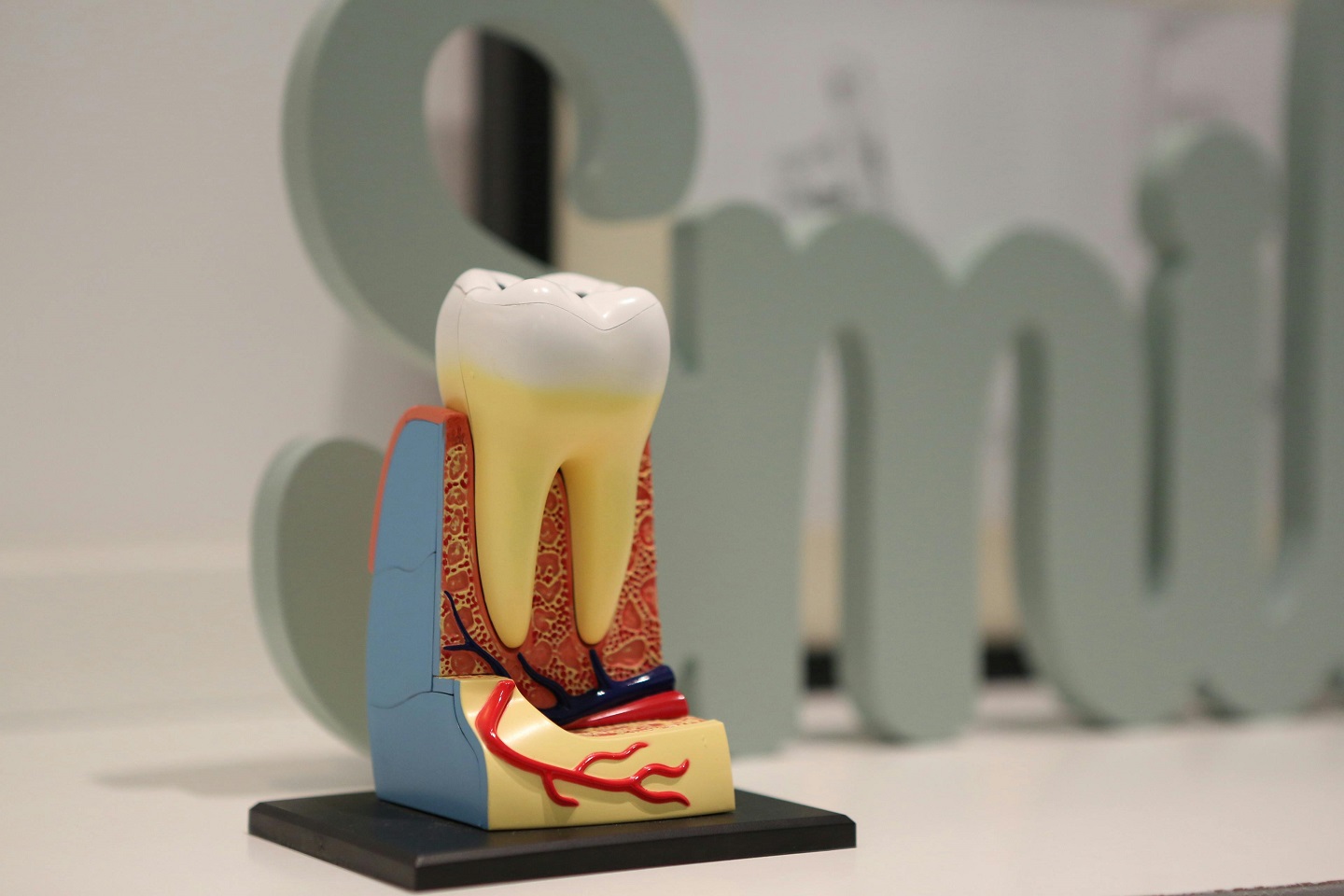
Deep decay, a crack, or trauma can inflame or infect the tissue inside a tooth. Root canal treatment cleans and seals the internal space so an appropriate tooth can remain in place.
Understand your options
Tooth pain does not always mean you need a root canal, and a tooth that needs care does not always cause constant pain. Lingering temperature sensitivity, pain on biting, swelling, a gum bump, or a darkened tooth deserve evaluation.
Several conditions can cause similar symptoms. The dentist may use an exam, diagnostic images, and tests of the tooth to identify the likely source.
Reasons to talk with a dentist
When a tooth has enough healthy structure and support, root canal treatment may allow it to remain rather than be extracted. Keeping it can preserve chewing function and avoid an immediate open space.
The procedure does not rebuild missing outer structure by itself. A crown or other restoration may be recommended afterward, especially when significant tooth structure has been lost.
Your visit
Dr. Krishna examines the tooth and surrounding area. Images help evaluate roots and supporting bone.
The area is numbed and an opening is made so the internal spaces can be reached.
Affected tissue is removed, the canals are cleaned and shaped, and the space is filled. Care may occur in one or more visits.
Follow through with the recommended final filling or crown so the tooth has a dependable seal and protection.
After your visit
The tooth and nearby tissues may feel tender for a period. Follow your medication and care instructions, and avoid heavy chewing on a temporary restoration unless advised otherwise.
Call if swelling appears or worsens, pain becomes severe, a temporary restoration comes out, or your bite feels significantly uneven.
Common questions
The area is numbed for treatment. The tooth may be tender afterward; comfort needs vary with the condition of the tooth.
No. Cavities, cracks, gum problems, bite forces, sinus pressure, and other conditions can cause pain.
Many teeth need substantial protection afterward, but the recommendation depends on the tooth, location, and remaining structure.
Symptoms may worsen or change, the tooth may become harder to save, and infection can spread beyond the tooth.
Every recommendation starts with an evaluation. Request a visit in Lakehills or call the office with your questions.